 Security policy
(edit with the Customer Reassurance module)
 Delivery policy
(edit with the Customer Reassurance module)
 Return policy
(edit with the Customer Reassurance module)
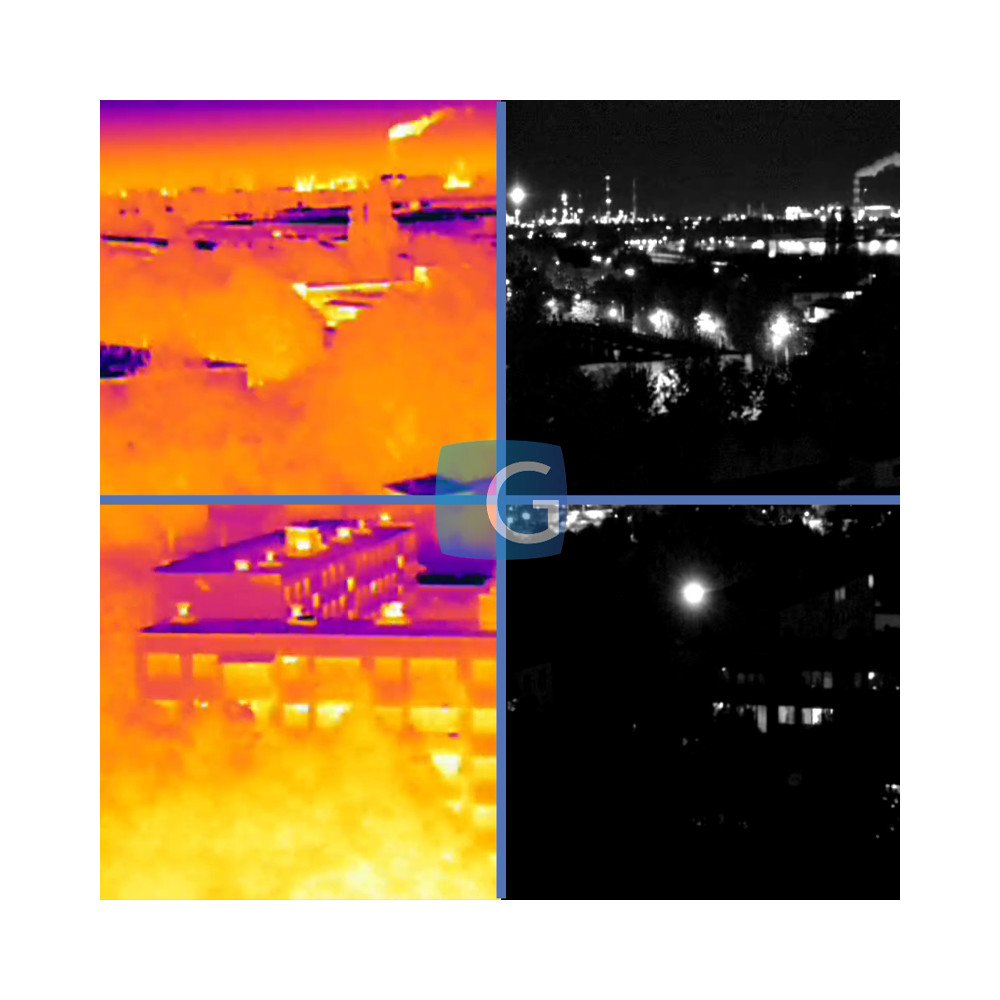
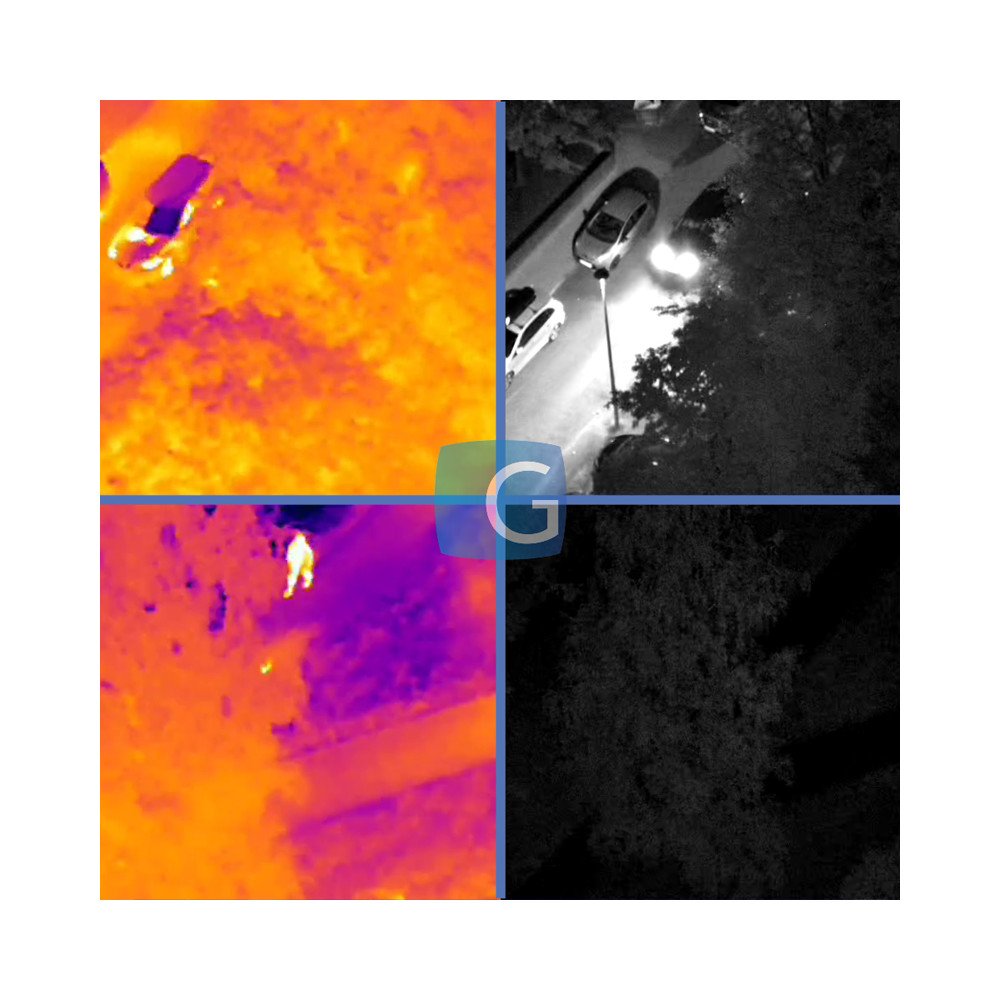
Thanks to thermal imaging, we are able to monitor the area even in complete darkness. Where the range of infrared illumination in a classic camera ends, a thermal imaging camera still allows for uninterrupted observation. It allows you to detect people at distances much greater than a classic camera at night and allows you to detect people hidden behind trees or bushes. The thermal imaging camera is much less susceptible to bad weather conditions such as fog or precipitation, guaranteeing a clearer image. The thermal imaging camera is insensitive to strong light directed at the camera, e.g. street lamps in a parking lot or construction spotlights.
Thermal imaging cameras are designed to observe large areas such as squares, fields, long fences, water reservoirs, rivers and country borders.
Fire protectionThe algorithms used in the camera allow it to effectively detect heat sources or fires even at long distances. Thanks to this real-time ability, thermal imaging cameras allow for early fire detection, even before the flames develop and the fire gets out of control, endangering people's lives or causing significant damage.
Thermal imaging cameras are designed to monitor spaces such as forests, photovoltaic farms, warehouses and production halls.
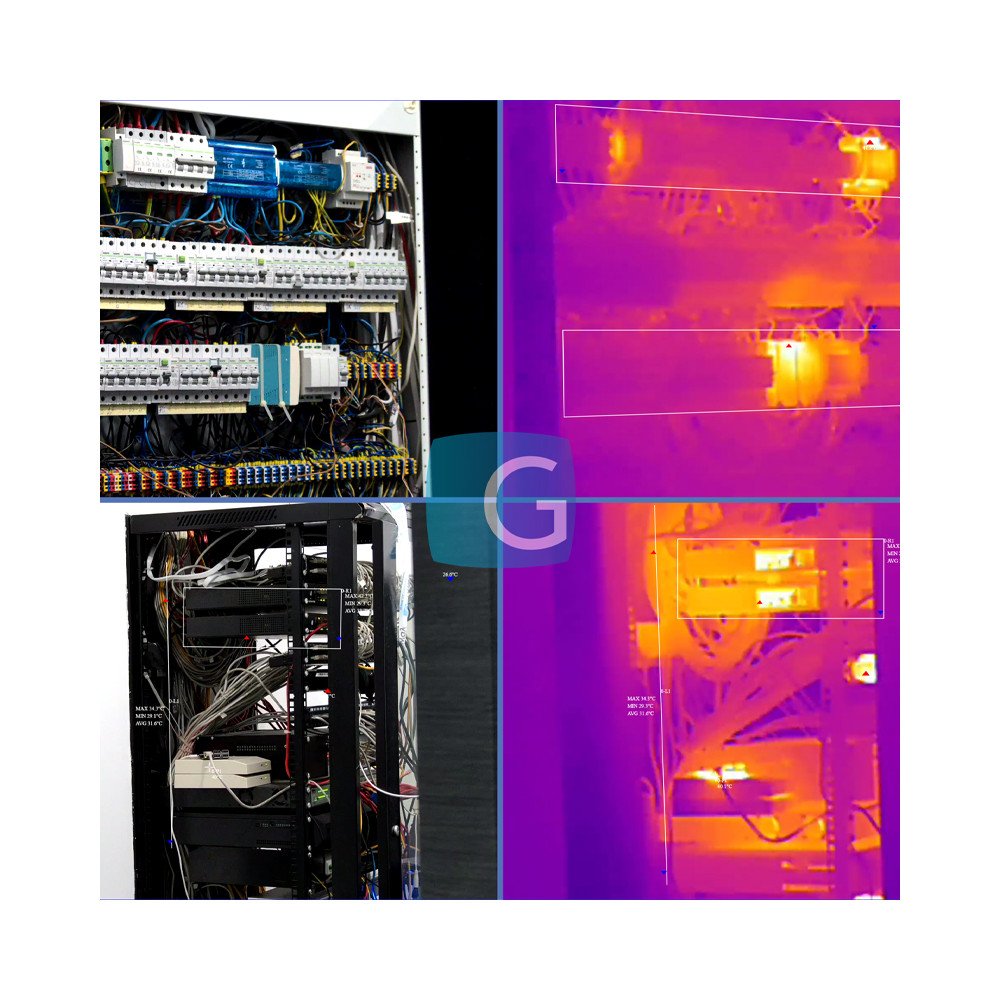
Protection of electronic and electrical equipmentThe thermal camera can detect devices that are overheating or highlight areas of increased temperature, which may indicate overheating or potential cooling problems. Thanks to this, you can quickly respond to potential threats before damage or failure of devices, which is critical in the case of server rooms or energy facilities such as transformers to ensure the continuity of their operation.
Thermal imaging cameras are designed to monitor: servers, electronic/electrical installations and equipment, and energy installations.
Monitoring of technological processesThermal imaging cameras are used in supervising and monitoring technological processes in various industries. These cameras can control processes in which temperature is a key parameter, for example: the chemical industry, steel production, HVAC systems or food processing. Thermal imaging cameras allow you to quickly detect deviations from desired temperatures and avoid failures or poor-quality products. Optimize technological processes by accurately controlling temperature and identifying areas that require adjustment or regulation.
Thermal imaging cameras are designed to monitor: heating installations, production lines and various types of technological processes.
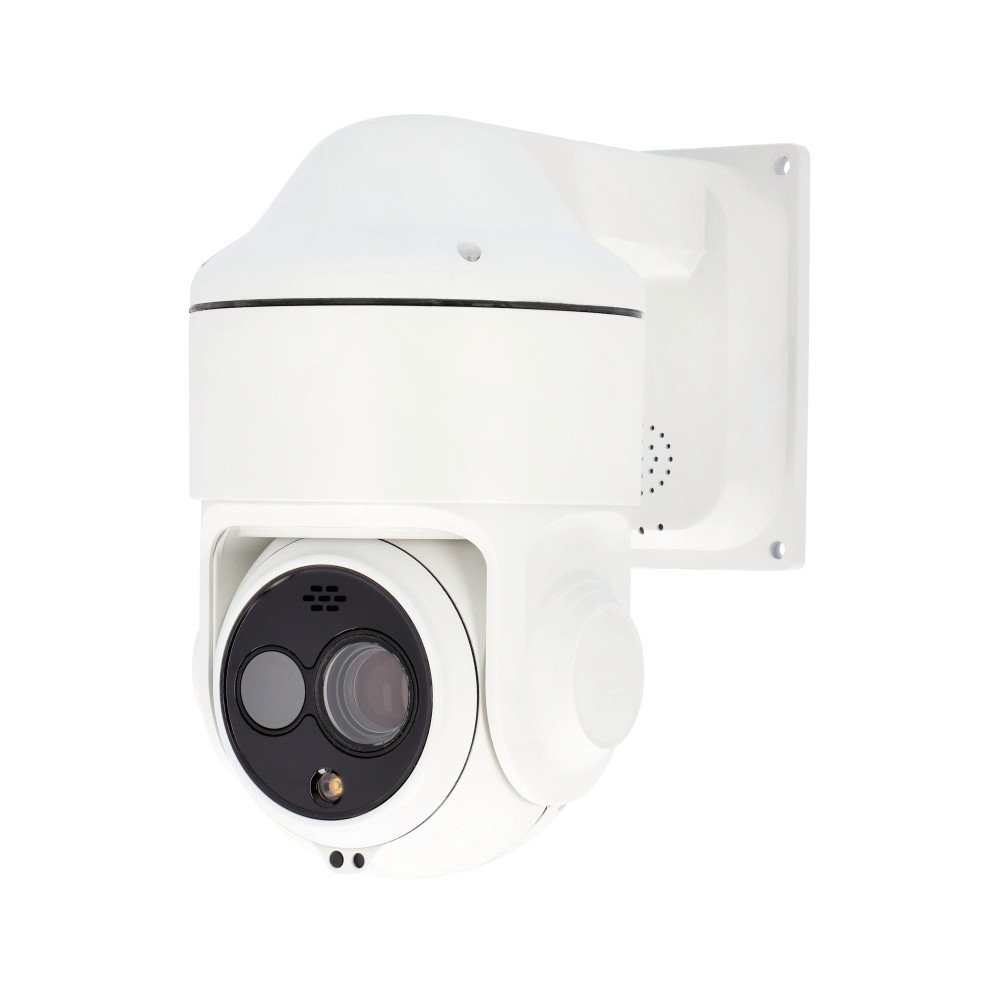
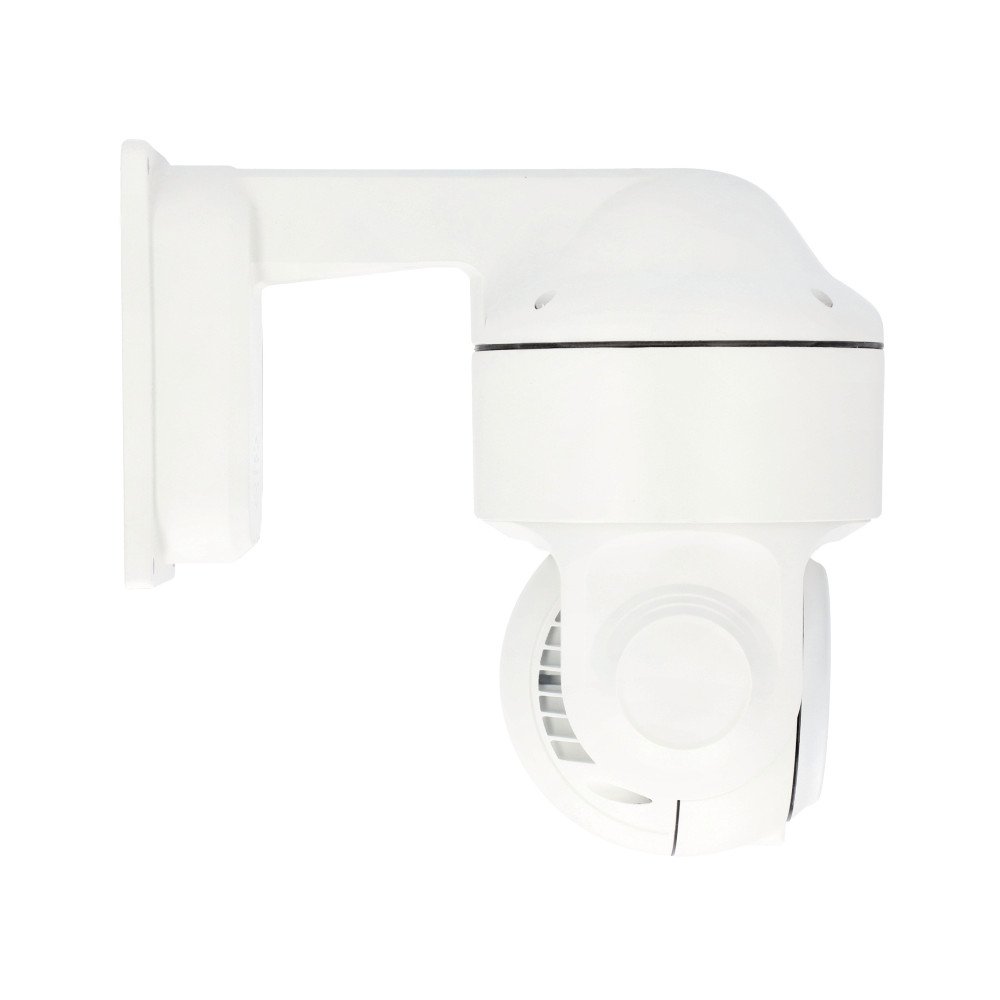
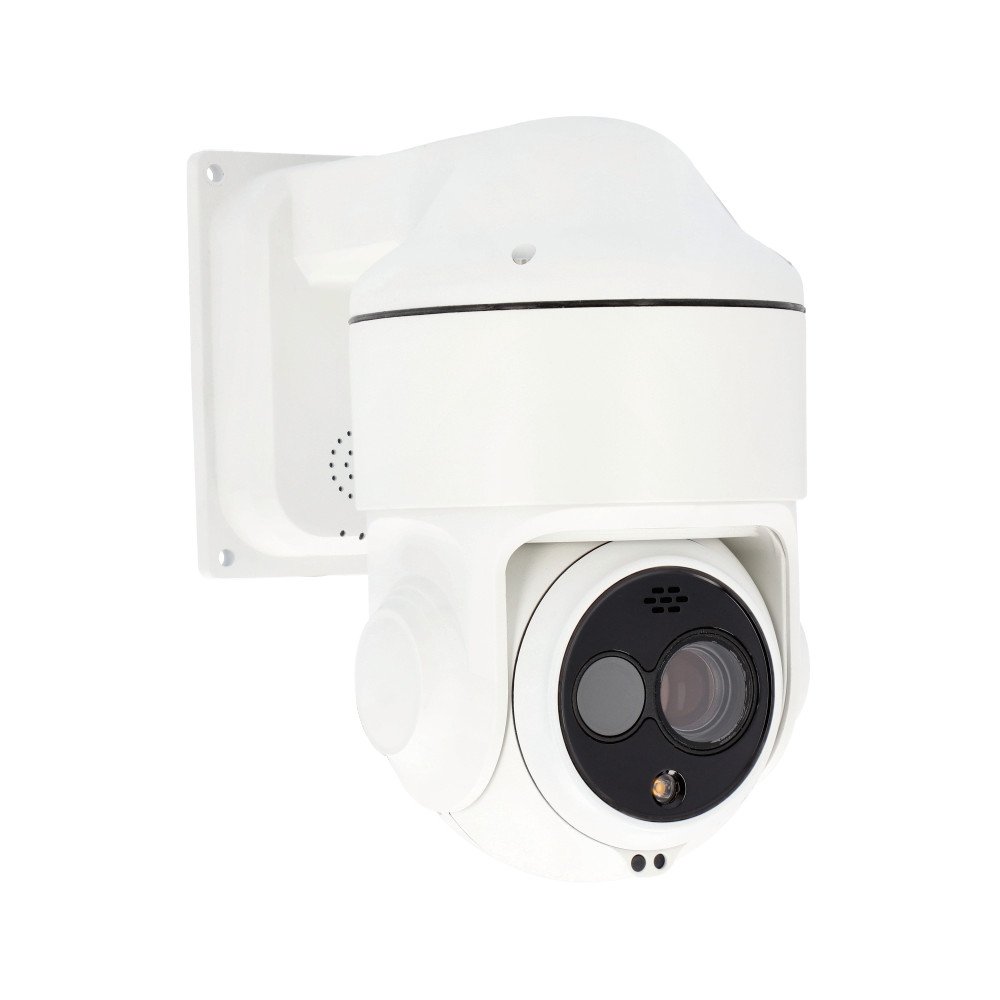
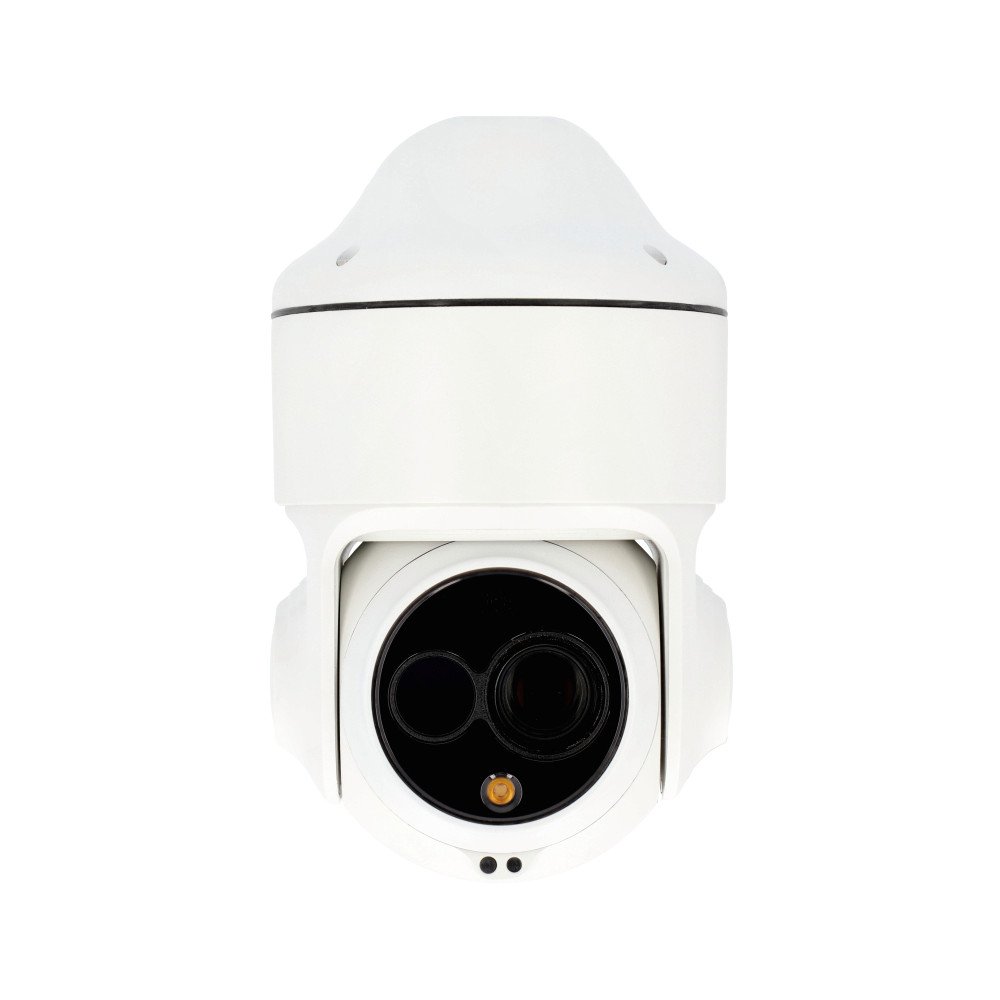
PT PTZ cameraPT camera is short for Pan and Tilt Camera. Thanks to this, we can control the camera and point it to the area of interest. We can set presets in the camera (fixed camera position), enable the route function, scan a wide area or track the movement of objects. Thanks to their ability to move horizontally and vertically, PT cameras allow for flexible adaptation to changing conditions and monitoring needs.
Temperature measurement and alarm notificationsViDiLine bispectral cameras allow you to superimpose two images on top of each other, which allows you to refine the classic image with heat points and temperature measurements. Temperature measurement is performed for: the entire screen, a point on the screen, a line and an area of up to 12 temperature measurement areas. The camera allows you to precisely select parameters to more accurately measure the temperature of a given object. After detecting an alarm, the camera has connections: recording video, taking a photo, sending an e-mail, controlling the alarm output and optical-acoustic notification from the camera. The camera allows you to detect fire in 4 independent areas, for which you can adjust the sensitivity.
Observation distanceRecommended distance of the camera from the object for: detection, recognition and identification.
Table prepared for: a person (1.8 x 0.5 m) and a car (1.4 x 4.0 m).
DD – Distance Detection
RD – Reconnaissance Distance
ID – Identification Distance
| Lens | DD (car) | DD (human) | RD (car) | RD (human | ID (car) | ID (human) |
| 10 mm | 1278 m | 417 m | 319 m | 104 m | 160 m | 52 m |
| Lens | RD target (human) | Target RD (car) | Temperature measurement distance for target (2 x 2 m) | Temperature measurement distance for target (1 x 1 m) | Fire detection distance for target (2 x 2 m) | Fire detection distance for target (1 x 1 m) |
| 10 mm | 78 m | 240 m | 278 m | 139 m | 1000 m | 550 m |
Data sheet
No customer reviews for the moment.